Why I Refuse to Give Up Hope
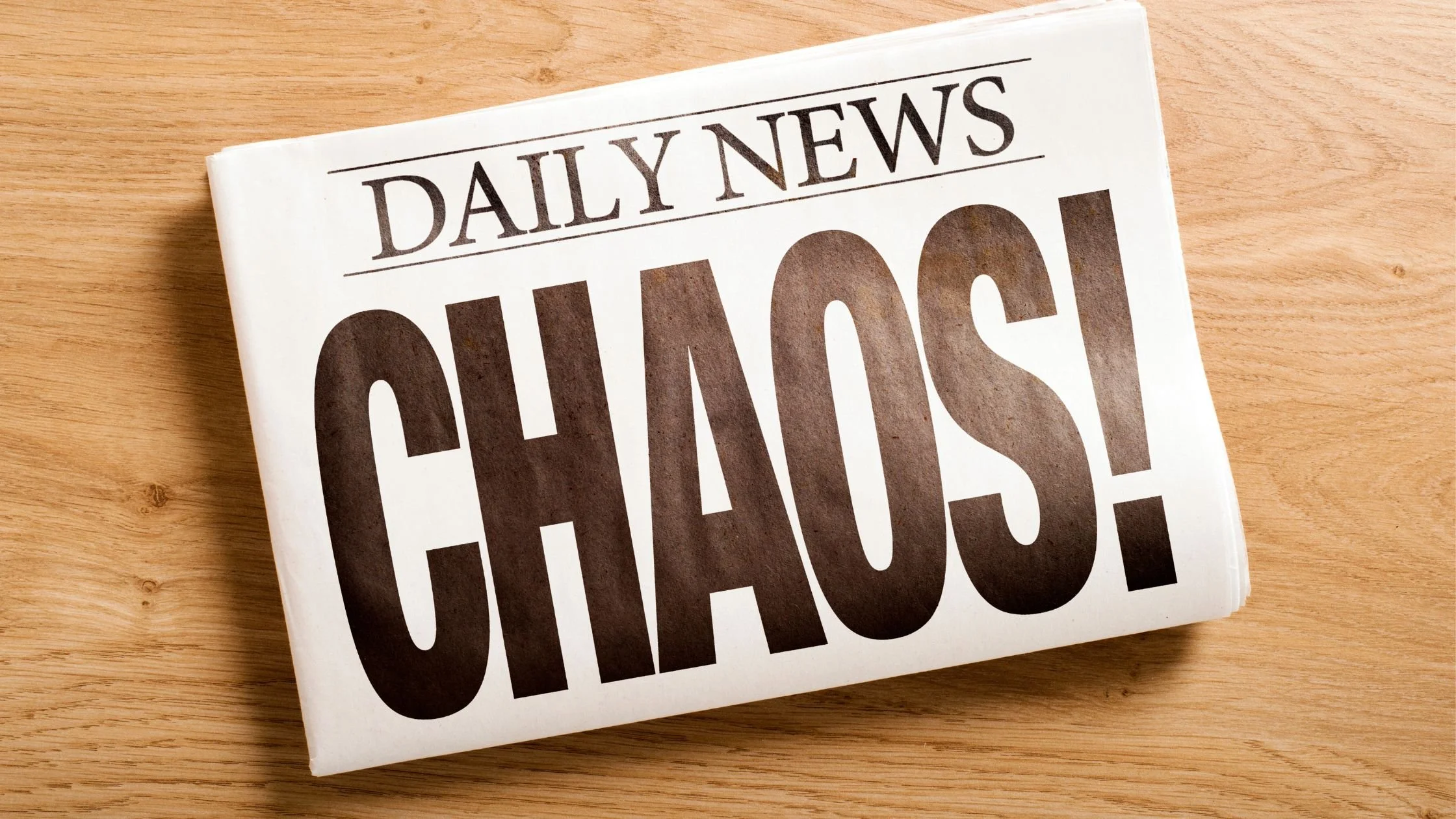
As we head into a shiny new year, I’m going to say something that a lot of you are thinking: We’re f*cked.
The world. America. The environment. Our schools. Our food system. Our health. The job market. Our futures.
Completely and utterly f*cked.
Cue the despair.
It’s easy to get mired down in all the things that aren’t working, are broken, or are flat-out bonkers.
It’s easy to feel angry… then to move beyond anger to powerless, eventually landing on hopeless.
But to what end?
What does hopelessness do for you?
And, more importantly, have you ever thought about who benefits from you being there? What powers-that-be or dysfunctional systems stand to gain if you feel defeated or demoralized?
We’ll come back to that, but first let’s sidestep into territory that might not sit well with you. I know it certainly hasn’t with some people I’ve challenged.
What Do You Really Know?
Are things actually f*cked? Or, to the real point, are they truly the way you think they are?
Regardless of how strongly you think you are right, how convinced you are of what you “know,” we don’t actually know nearly as much as we think we do.
Let me say that another way. Often, we say we know when what we mean is we believe.
A belief is something your mind takes to be true.
For all intents and purposes, it feels real, accurate, factual, based in an external reality. The reality, though, is that a belief is an internally constructed artifact of our minds.
As we often say in my field, “feelings aren’t facts.”
And it would behoove us all to stay mindful of that.
What in the World?
I firmly believe that we all exist in two worlds: the Outside World and our Inside World. The Outside World consists of the things we can see, hear, feel, taste, and smell right now. In other words, it is our direct experience and can be simultaneously shared with others.
Our Inside World, in contrast, is known only to us. It contains the experiences that occur within the confines of our skin: our thoughts, sensations, emotions, urges, and memories. Our Inside World is made up of the meanings, predictions, interpretations, expectations, and ideas that help us make sense of the Outside World. It is the world that our minds create.
And we mix these worlds up all the time.
Despite the things on TV and social media, the conversations I’ve had or overheard, what I believe is or is not happening in the world at large, the reality is that my day-to-day has been pretty good this past year.
I fully recognize that I am afforded a level of privilege because of the color of my skin, my age, where I live, my education level, and my financial situation and that others may have a wildly different lived experience.
Still, all too often I see people up in arms, freaked out, or devastated by ideas rather than reality.
Let me be clear.
I’m not saying that things are puppy dogs and roses right now. I’m not denying that atrocities are going on in the world or that people are struggling or suffering.
I’m simply acknowledging that we tend to be overly confident in asserting what we know.
When what we mean is we believe…
Based on what we read or saw or heard (often from questionable sources).
But not necessarily based on our own direct experience.
I offer this perspective as a caveat to consider. Perhaps we can become aware of our predictions and assumptions and hold them lightly. Maybe things aren’t quite as f*cked as our minds—or the media—would have us believe.
On the other hand, I “know” (i.e., believe based on my past experience) that I have a tendency to err on the side of optimism.
I don’t want to be the (legally) blind optimist standing on the bow of the Titanic proclaiming that the ship is unsinkable.
I’ve said it before, and I’ll say it now: Denying reality doesn’t serve us.
But I refuse to succumb to despair. I refuse to let hopelessness creep in.
Ever.
Because what does hopelessness do for you?
Who Benefits from Your Despair?
If you buy into the bullshit that we are screwed, what do you do?
Do you throw your hands up? Give up? Let go of your control or discipline? Make snap decisions that don’t serve your best interests? Stop fighting the good fight?
Who wins if you lose hope? Who benefits?
It’s certainly not you.
Without hope, we stop trying. We stop daring to believe that things could be different. We lose ambition. We get complacent. We stop putting good into the world, stop trying to make a difference.
Hopelessness absolves us of responsibility. It takes away our power.
Do not let despair drive your actions. You won’t end up anywhere good.
Choosing Hope
Personally, I choose to cling to hope, to hold onto it like the lifeline that it is.
I refuse to spend my time bogged down in apathy. I will not embrace dejected unhappiness, and I certainly will not let beliefs masquerading as facts—mine or anyone else’s—drag me down.
Choosing hope doesn’t mean turning a blind eye to what’s going on in your life, in your community, your organization, your country, or in the world. It doesn’t mean denying reality.
It does, however, mean being humble enough to recognize that we’re not privy to all facets of reality and choosing to remain optimistic, in both spirit and actions, in the face of whatever comes.
What Do You Have to Lose?
I can hear some of you now.
“Dr. Ashley, you’re being naïve. You’re being a privileged Pollyanna. Things are terrible.”
For the sake of argument, dear friend, let’s say you’re right.
At the end of it all, you get to do the told-you-so-dance. But in the meantime, I have two questions for you:
Are you happy in your rightness?
And are you making things better or worse in your despair?
I am not proposing that we sit on our thumbs and idly hope that our lives or the world will improve.
My brand of hope is not a passive one.
I am encouraging a fierce, active hope based on the beliefs that 1) things can get better and that 2) you have the power and ability to make a positive difference.
I implore you to recognize when your anger or apathy is teetering on the brink of despair and to change course before you fall into the abyss.
Choose hope. Embody hope. Put it into action.
“Once you choose hope, anything’s possible.”
Are you ready to live a bolder, happier life?
Subscribe to The Way I See It monthly newsletter to get science-backed insights and inspiring stories delivered straight to your inbox.